If you have heard someone in Singapore mention "the shaking thing" they do after work, this is probably it. TRE™ is short for Tension & Trauma Releasing Exercises. Here is what it is, where it comes from and what actually happens in a session.
A reflex you were born with
Watch a dog after a stressful visit to the vet, or a gazelle that has just escaped a predator: they shake. Mammals discharge the enormous charge of a fight-or-flight response through involuntary tremoring, and then carry on with their day. Humans have the same mechanism. We have simply learned to suppress it — shaking looks like weakness, so we tighten our jaw, hold our breath and get on with things.
The cost of that suppression is a body that stays braced. Over months and years the bracing becomes chronic: tight hips and lower back, shallow breathing, poor sleep, a mind that will not switch off.
Where TRE™ comes from
Dr. David Berceli, an American trauma specialist, spent years working in conflict zones in the Middle East and Africa. He noticed that people of every culture and age tremored after bombings — children openly, adults trying to hide it — and that those who allowed the shaking recovered faster. He set out to design a way to switch the tremor on deliberately and safely, and TRE™ was born. It is now taught in more than 100 countries by a network of certified providers, coordinated by the not-for-profit TRE For All, Inc.
The seven exercises
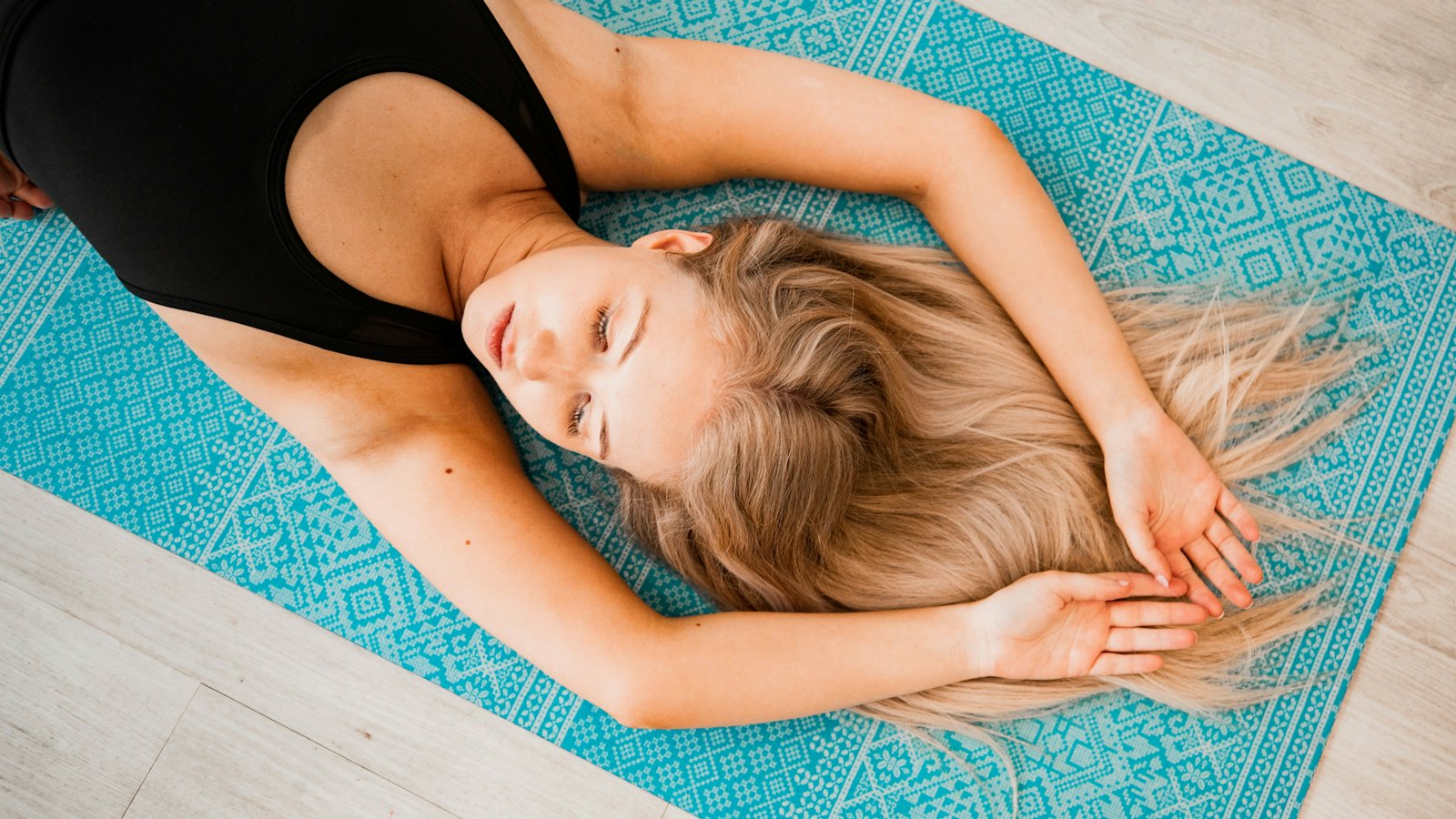
TRE™ uses seven simple movements — nothing you would not recognise from a stretch class — to gently fatigue and lengthen the muscles of the legs and hips, especially the deep psoas muscle that connects the spine to the thighs. Once those muscles are tired and warm, you lie down with your knees bent and let your legs soften. Within a minute or two the tremor usually begins on its own.
You do not make the tremor happen. You create the conditions, then get out of the way.
The shaking often starts in the inner thighs and can travel to the hips, lower back, torso and sometimes the arms and jaw. It looks dramatic and feels surprisingly pleasant — most people describe warmth, heaviness and a deep sense of "unwinding".
What a session feels like
- Check-in (5 minutes). Your provider asks about your body, your history and what you want from the session.
- The exercises (15–20 minutes). Standing and floor-based movements, adjusted to your body.
- The tremor (10–15 minutes). Lying down, you allow the shaking and learn how to slow it, pause it or stop it completely.
- Integration (10 minutes). Resting, noticing, and a short debrief.
A first session with a certified provider lasts 60–90 minutes. After three or four sessions most people are ready to practise alone at home, two or three times a week for 15–20 minutes.
You are always in control. This is the most important thing to know. The tremor is involuntary, but you can stop it at any time by straightening your legs, rolling onto your side or simply standing up. A certified provider teaches you exactly how in your very first session.
What people notice
Every body is different, but common reports include deeper sleep from the first week, less back and neck pain, a calmer reaction to stressful emails and conversations, more energy and a general sense of having "more room" inside. TRE™ is not a substitute for medical or psychological care — but it is a powerful complement to both.
Is it for me?
TRE™ suits most adults and requires no experience, flexibility or fitness. If you are pregnant, recovering from surgery, have epilepsy, a heart condition or a psychiatric diagnosis, talk to your doctor first and tell your provider — the exercises can be adapted. Learn more on our Education page, or find a certified provider in Singapore.